


Hello and welcome to Aziul Connections – a newsletter for changemakers connecting science, business, and sustainability. While in academia, I realized that science and business often feel like separate worlds. I made it my mission to bridge this gap, translating research into sustainable, market-ready solutions. This is where Aziul Connections comes in—connecting people, ideas, and industries for impactful change. Let’s build a future driven by sustainability, one post at a time.
If you’ve ever lived in Saudi Arabia’s coastal regions, you might be familiar with the sneezing, watery eyes, and morning rhinitis that seems to hit many of us hard. According to a recent literature review analyzing different studies, around 20% of Saudi population develops allergic rhinitis1.
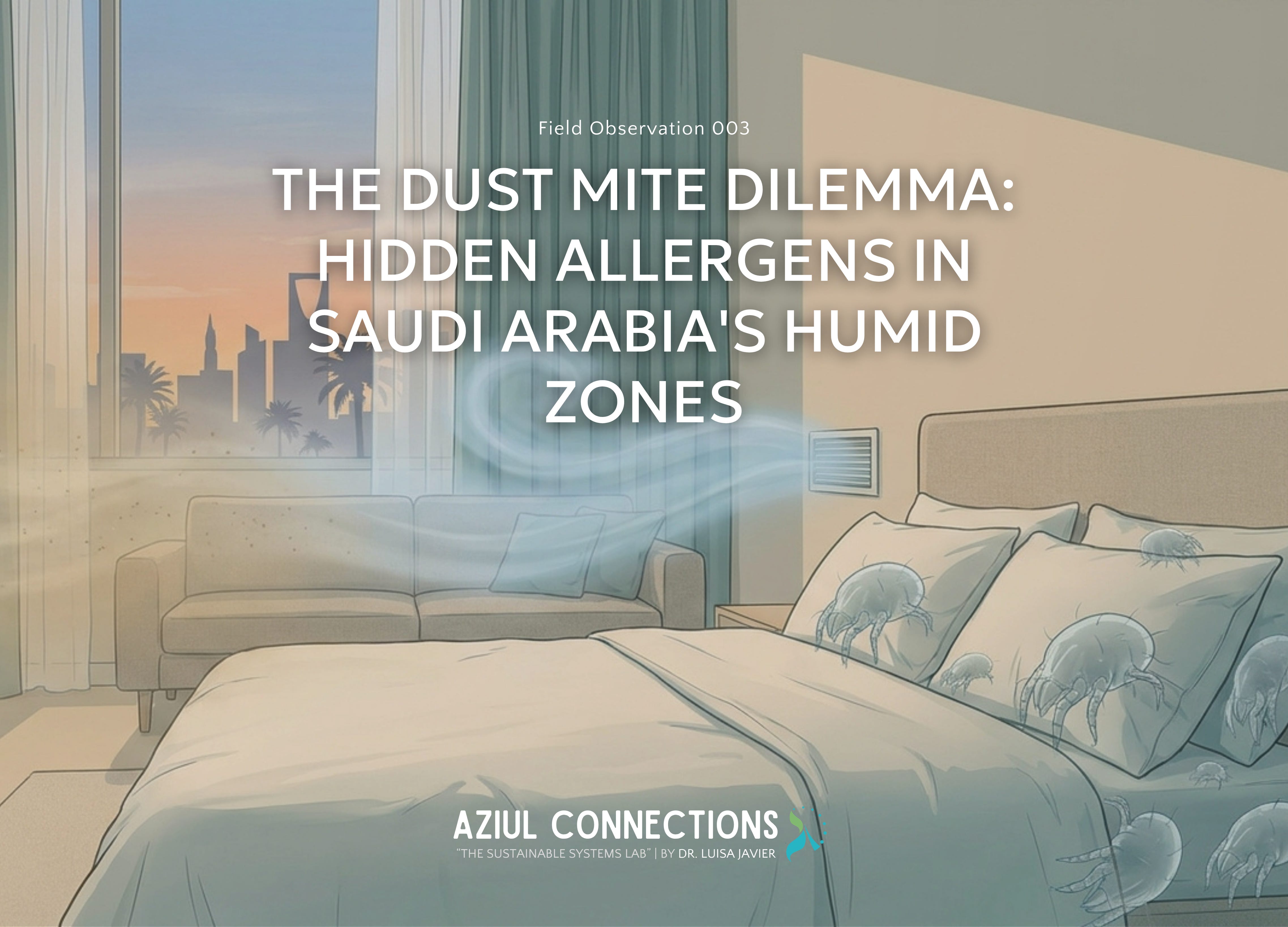
Dust mites, tiny but potent allergens, are a significant contributor to the rise of allergic reactions in the Kingdom. Their prevalence is significantly heightened due to humidity levels and periodic sandstorms, creating an ideal environment for their reproduction.
In this article, I’ll share my personal journey with dust mite allergies, explore scientific studies on their prevalence, and highlight the importance of air quality and effective cleaning solutions. My hope is to raise awareness and help others combat these invisible invaders that can turn daily life into a battle with allergies.
Personal Story: From Sneezes to Anaphylactic Shock
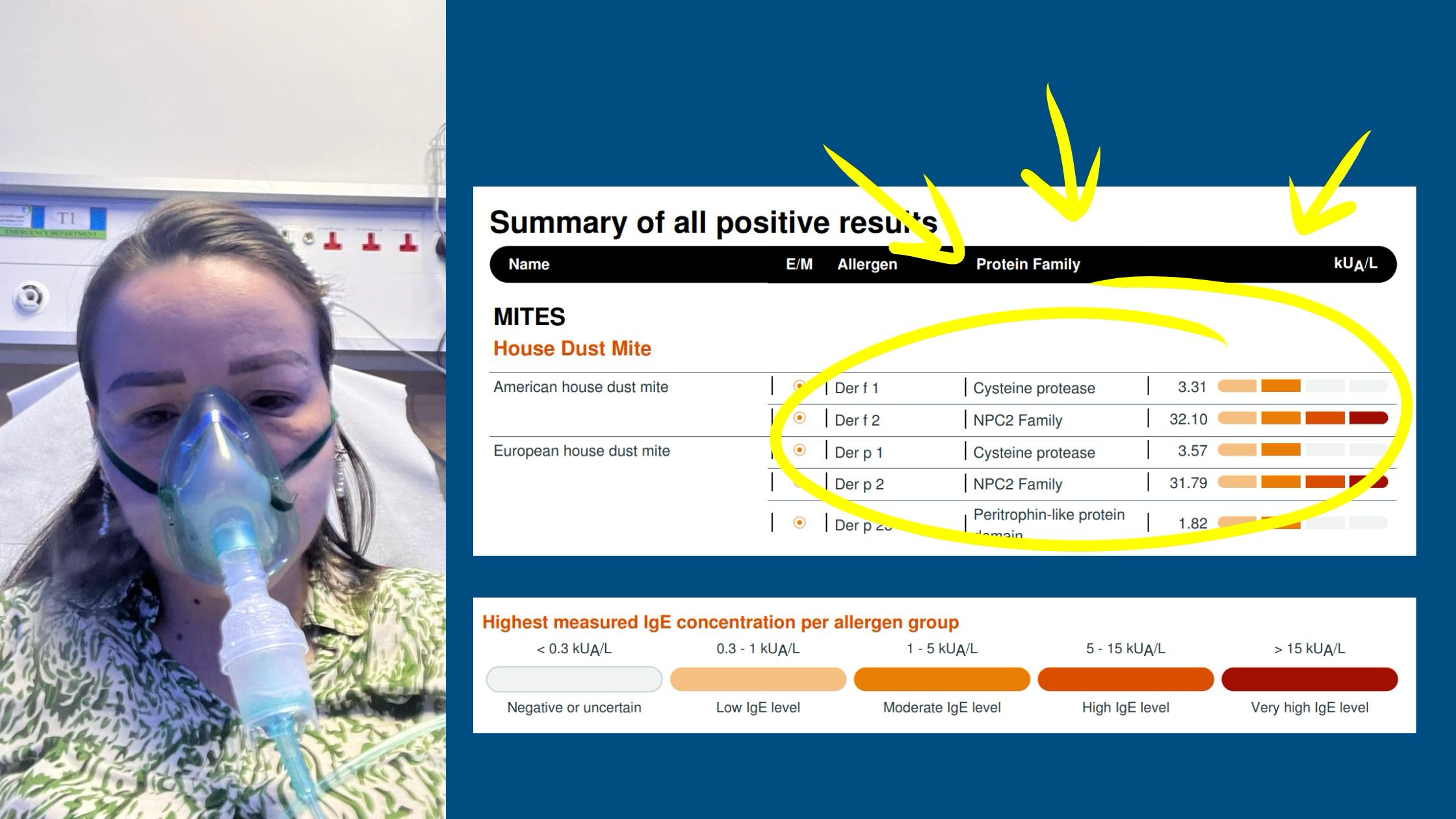
Living in Saudi Arabia for over a decade, I never expected that something as small as dust mites could have such a massive impact on my health. Coming from Mexico, where "allergy" wasn’t a part of my vocabulary, I was shocked when I started experiencing symptoms like morning sneezing, red eyes, and congestion.
One day, I visited a new apartment and experienced a dramatic allergic reaction. My eyes swelled shut, my airways constricted, and I collapsed, suffering from anaphylactic shock.
The culprit? Dust mites thriving in the high humidity of coastal Saudi cities. Physicians confirmed that I developed a severe allergic reaction to dust mites. That near-fatal experience has driven me to understand and eliminate dust mites from my living spaces.
Dust Mites: A Hidden Allergen in Saudi Arabia
Dust mites are minuscule creatures that thrive in warm, humid environments—like the coastal regions of Saudi Arabia. These pests feed on dead skin cells and multiply rapidly in damp conditions, becoming a major contributor to allergic reactions and asthma attacks. Here are some of the main factors contributing to dust mite reproduction:
Humidity
Research shows that dust mites are prevalent in humid areas, especially in homes with poor ventilation. According to the Annals of Saudi Medicine2, coastal cities in Saudi Arabia experience higher dust mite concentrations than inland cities due to the higher humidity levels. With 50-60% of Saudi Arabia's population residing in coastal areas, this presents a significant public health concern.
Sandstorms
Another study analyzed if sandstorms had an influence in allergic rhinitis (AR) cases. The findings showed that allergic rhinitis tends to flare up more in the summer and winter compared to spring and autumn, and one big reason for that in Saudi Arabia is the sandstorms that hit throughout the year.
These storms transport all sorts of dust and microorganisms that can easily trigger or make respiratory issues like AR and asthma worse. In fact, Meo et al3 pointed out that these year-round sandstorms are often linked to more cases of wheezing, runny noses, coughing, and even asthma attacks.
Air quality
The relationship between dust mites, air conditioning, and air quality is an important factor in allergy management. In Saudi Arabia, air conditioning systems are ubiquitous due to the extreme heat. However, poorly maintained AC units can harbor dust mites, mold, and other allergens, worsening indoor air quality.
In summary, here is an adapted graph of sixteen research studies showing the most prevalent triggers for allergic rhinitis in Saudi Arabia:
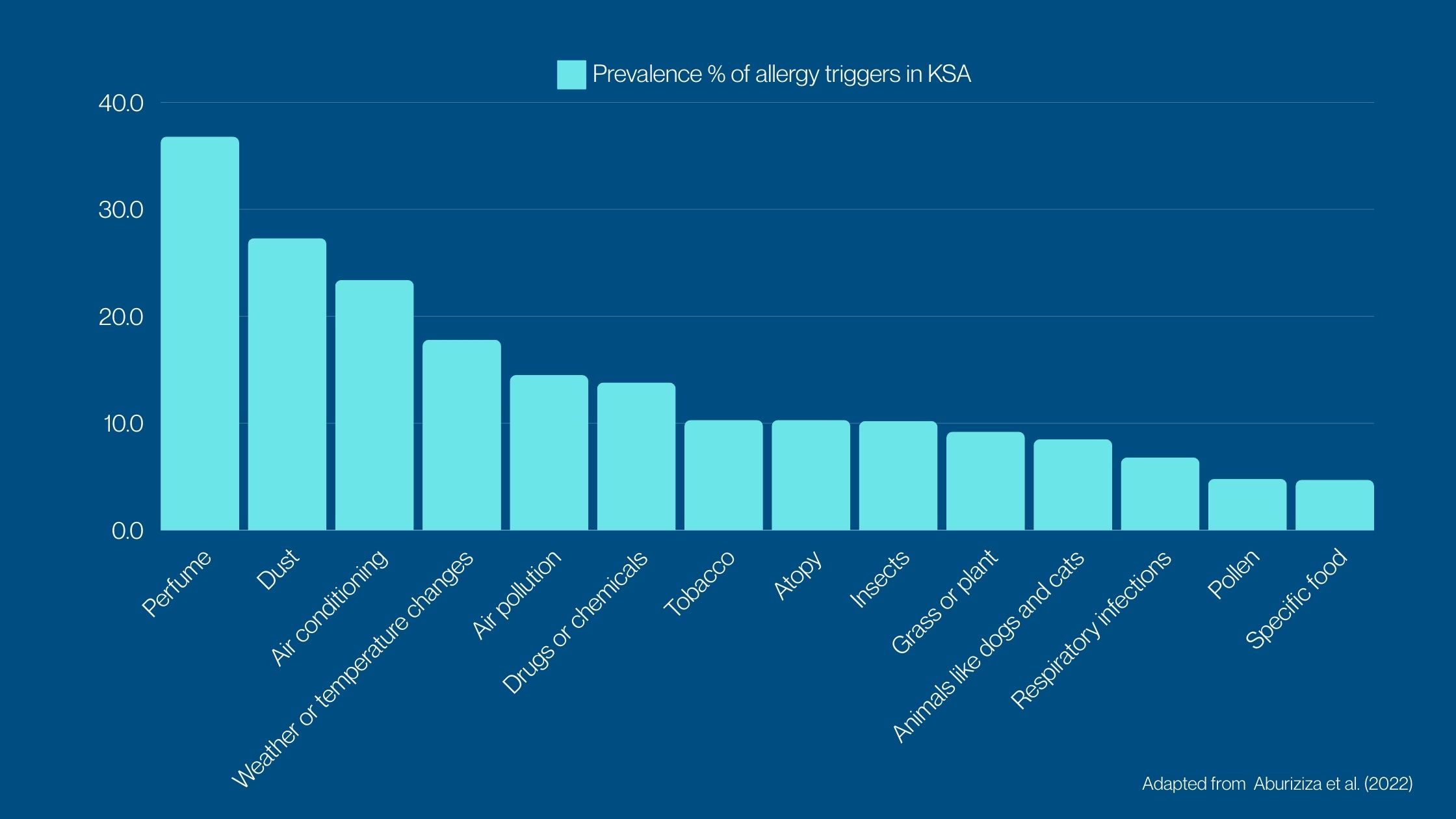
Adapted graph showcasing the most prevalent allergy triggers in Saudi Arabia1.
5 Steps to Breathe Easy: Beat Dust Mite Allergies
Control indoor humidity
Studies from the World Allergy Organization4 emphasize the importance of controlling indoor humidity to reduce dust mite proliferation. In humid environments like Saudi Arabia's coastal cities, keeping indoor humidity below 50% is critical to minimizing dust mite populations.
Air purification
Air purification is a powerful tool in combating dust mite allergies. These units work by filtering out allergens from the air, including dust mite particles that often trigger allergic reactions.
A recent study analyzing thirty five trials4 for the treatment of allergic asthma proved clinical benefits of nocturnal air purification of the breathing zone. Regular use of air purifiers can make a noticeable difference in minimizing symptoms like sneezing, congestion, and itchy eyes.
Deep cleaning of AC vents
In my personal experience, after enduring an anaphylactic shock, I decided to take action by thoroughly cleaning and disinfecting the AC vents in my home. I used WAYAKIT Biotech Cleaner and Disinfectant5, which is incredibly effective, eliminating 99.999% of viruses and bacteria in just 30 seconds. After this deep cleaning, I noticed a significant reduction in my allergy symptoms, making a real difference in my daily comfort and health.
Deep cleaning of linen and furniture
In the same report from the World Allergy Organization4 , a total bedroom control protocol proved to have clinical benefits in patients with house dust mite-induced allergic asthma. The total bedroom control protocol consists of:
Fitting of mite-impermeable covers to all bedding elements.
Laundering of bedding monthly with hot water, with a minimum temperature of 60 °C.
Deep cleaning of house carpets, soft toys, upholstery, and other textiles.
Reducing dust mites through regular cleaning, particularly in areas prone to high humidity like AC vents and upholstery, is crucial for managing allergies. Together with my team at WAYAKIT, we designed the deep cleaning protocol "WAYAKIT Biotech Curtain and Furniture Care5", targeting the disinfection, sanitization and stain removal from air conditioning units, mattresses, furniture, curtains, and carpets.
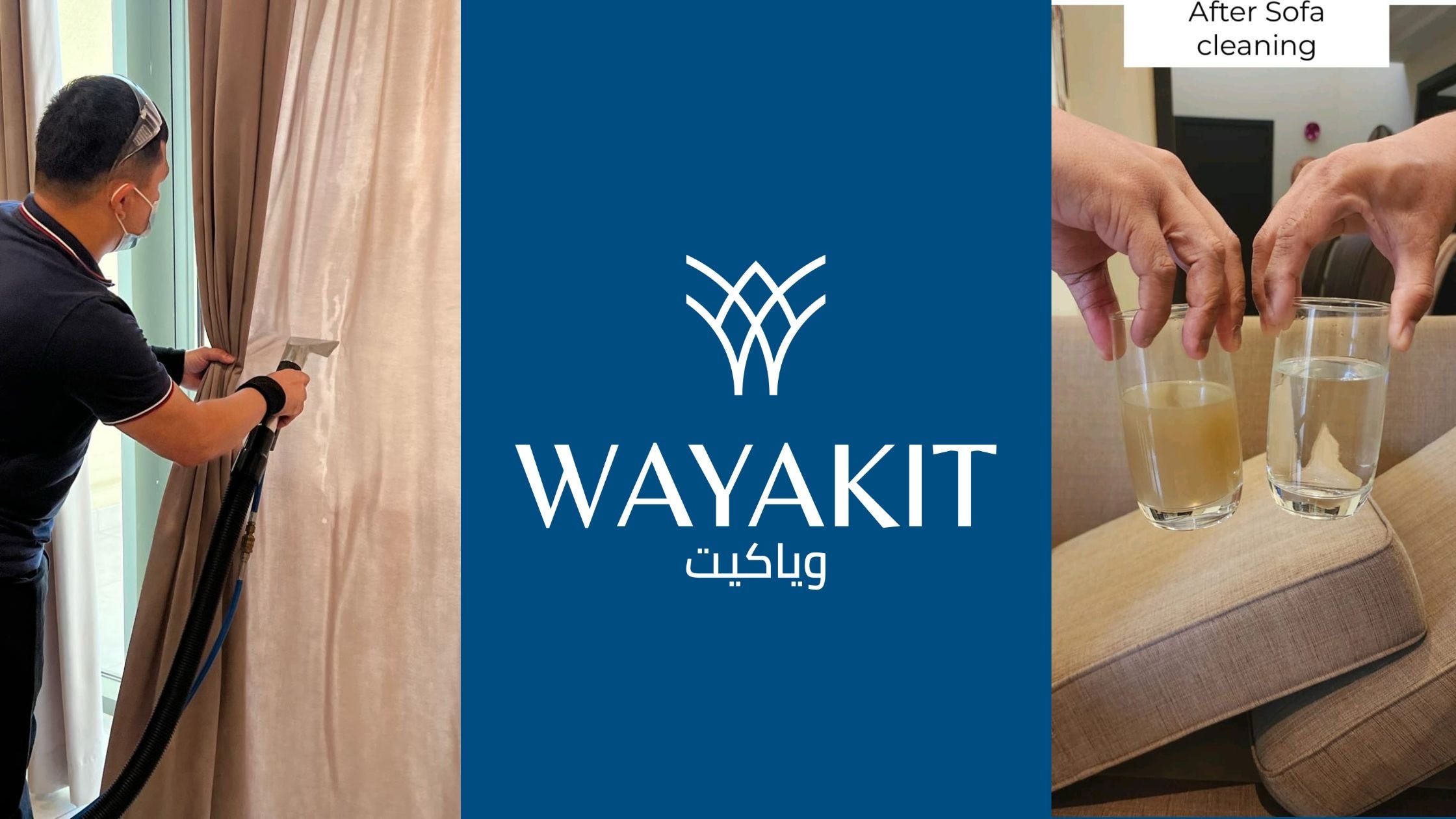
In my own experience, deep cleaning AC vents and furniture dramatically improved air quality and reduced my allergy symptoms. Wayakit’s products, designed to clean deeply while being environmentally safe, made all the difference. For those living in humid coastal areas, incorporating regular cleaning protocols can make a significant impact on reducing allergy symptoms.
Take control of your allergies before they take control of you
When I visited the allergologist, he explained that many people, including myself, tend to ignore their allergy symptoms, leaving them untreated. The problem with this is that over time, the repetitive exposure to allergens could lead to chronic allergic inflammation6 resulting in anaphylactic shock. Since then, I’ve learned that at the first sign of symptoms, I use a nasal antihistamine spray to keep them under control. It’s been a game-changer for me. Always consult your physician to get the right medications tailored to your needs.
The Impact on Health and Sustainable Development Goals
The presence of dust mites and poor air quality contributes to the growing health concerns related to respiratory diseases in Saudi Arabia. Tackling these allergens not only improves individual health but also aligns with the United Nations’ Sustainable Development Goals (SDGs).
Specifically, this article targets SDG 3 (Good Health and Well-being) by promoting healthier living environments, and SDG 6 (Clean Water and Sanitation) by advocating for sustainable cleaning practices that ensure safe and effective hygiene. By reducing the presence of allergens like dust mites, we can improve air quality, prevent allergic reactions, and support a healthier living environment for all Saudis.
Conclusion: Taking Control of your Environment
The rise of dust mite allergies in Saudi Arabia is a serious issue, particularly in coastal regions. However, with the right knowledge and tools, we can take control of our environments. Regular cleaning using eco-friendly solutions like Wayakit can significantly reduce the presence of dust mites and improve air quality, leading to healthier homes and lives. Let’s take action today to create cleaner, safer living spaces for everyone.
Thanks for reading Aziul Connections!
Let’s continue building sustainable bridges together. If you enjoyed this post, feel free to share it and invite others to join our community.
Stay tuned for more insights on science, sustainability, and entrepreneurship.
See you in the next edition!
Best,
Dr. Luisa Javier
Aziul Connections
Disclaimer: The content of this post is based solely on personal experiences and is not intended to provide medical advice, diagnosis, or treatment. Always consult with a qualified healthcare professional or your physician before starting any new treatment or making changes to your current healthcare regimen.
References:
Aburiziza, A., Almatrafi, M. A., Alonazi, A. S., Zatari, M. H., Alqouzi, S. A., Mandili, R. A., Hawsawi, W. T., & Aljohani, R. H. (2022). The prevalence, clinical picture, and triggers of allergic rhinitis in Saudi population: A systematic review and meta-analysis. Journal of Asthma and Allergy, 15, 1831–1849.
Al-Frayh, A. S., Hasnain, S. M., Gad-El-Rab, M. O., Schwartz, B., Al-Mobairek, K., & Al-Sedairy, S. T. (1997). House dust mite allergens in Saudi Arabia: Regional variations and immune response. Annals of Saudi Medicine, 17(2), 156–160.
Meo, S. A., Al-Kheraiji, M. F. A., AlFaraj, Z. F., Alwehaibi, N. A., & Aldereihim, A. A. (2013). Respiratory and general health complaints in subjects exposed to sandstorm at Riyadh, Saudi Arabia. Pakistan Journal of Medical Sciences, 29(2), 642–646.
van Boven, F. E., Braunstahl, G.-J., Arends, L. R., van Maaren, M. S., Bramer, W. M., Gerth van Wijk, R., & de Jong, N. W. (2024). House dust mite allergen avoidance strategies for the treatment of allergic asthma: A hypothesis-generating meta-analysis. World Allergy Organization Journal, 17(6), 100919.
WAYAKIT - Biotechnology in Hygiene https://sa.wayakit.com
Galli, S., Tsai, M., & Piliponsky, A. (2008). The development of allergic inflammation. Nature, 454, 445-454.