


Hello and welcome to Aziul Connections – a newsletter for changemakers connecting science, business, and sustainability. While in academia, I realized that science and business often feel like separate worlds. I made it my mission to bridge this gap, translating research into sustainable, market-ready solutions. This is where Aziul Connections comes in—connecting people, ideas, and industries for impactful change. Let’s build a future driven by sustainability, one post at a time.
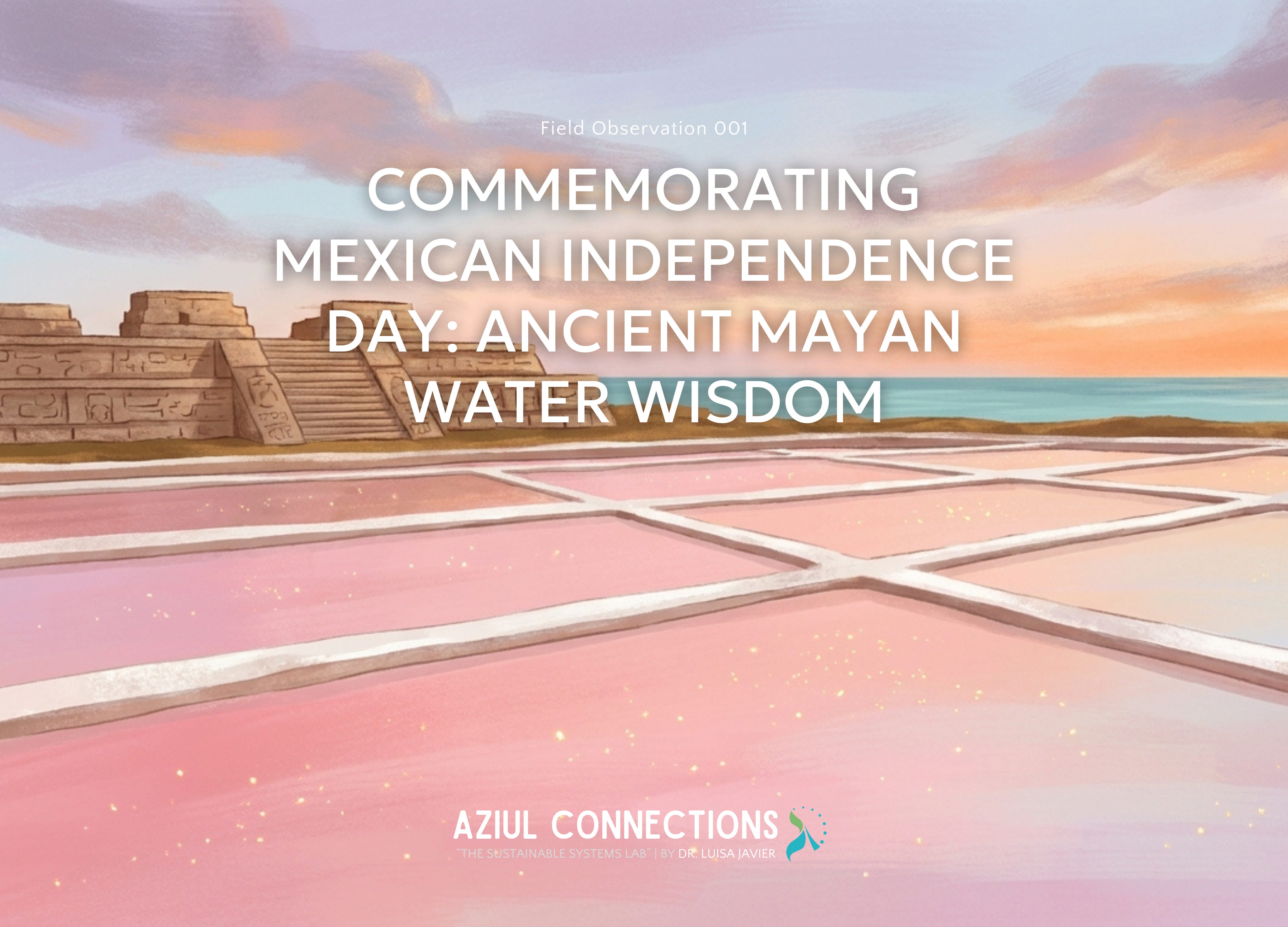
Today is a special day for me—Mexican Independence Day. As I reflect on my heritage, I want to share something closely tied to both my culture and my passion: water desalination. Specifically, how an ancient Mexican civilization mastered water management over 2,000 years ago.
Last year, I had the incredible opportunity to visit Las Coloradas in Yucatan, Mexico—a place where the Mayan method for desalinating water is still in use today. Las Coloradas is more than just a salt processing plant; it's an eco-engineered marvel that transforms seawater into salt using evaporation, microorganisms, and the natural power of the sun.
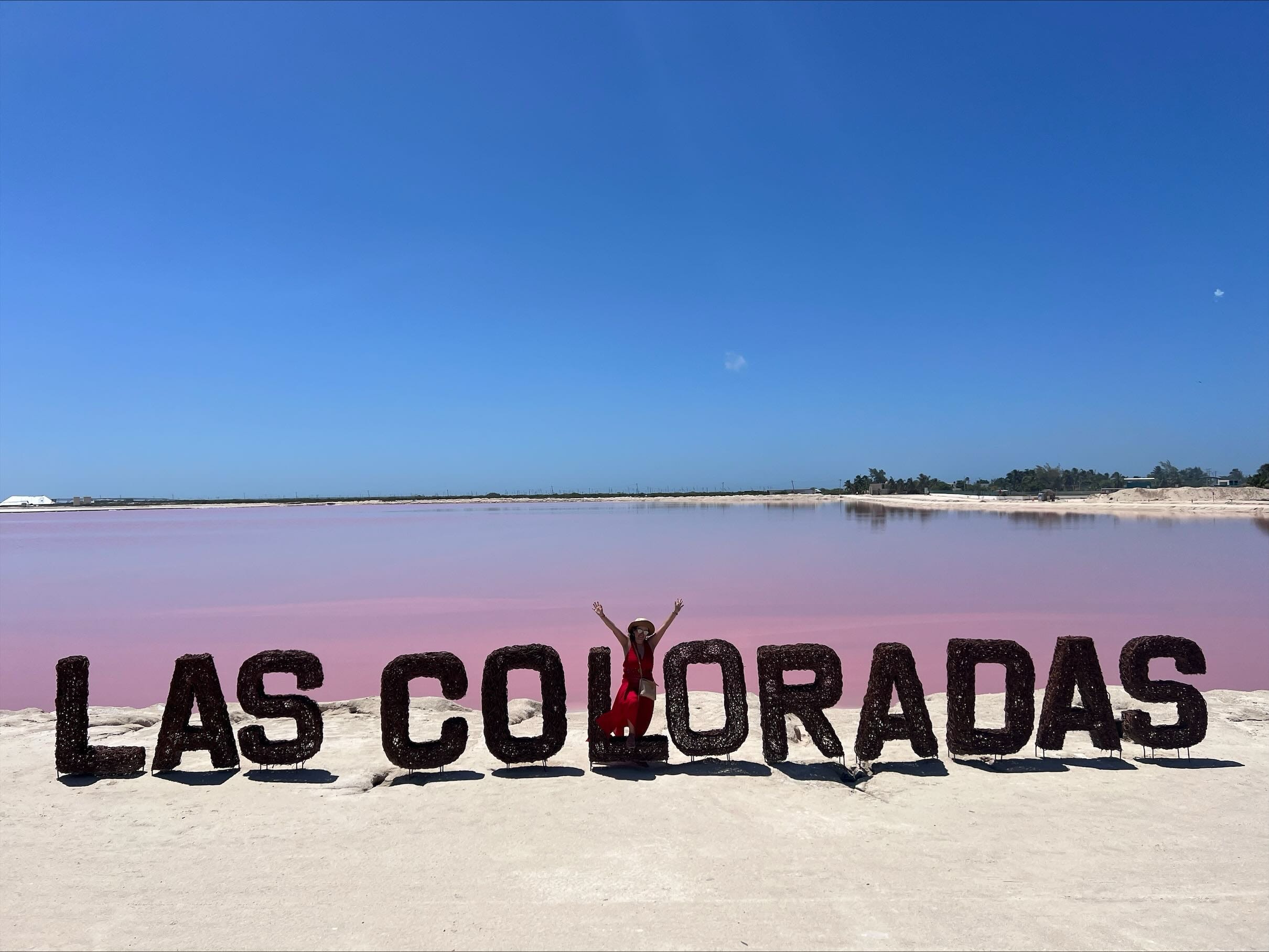
Why is the water in Las Coloradas pink?
The striking pink color of the lagoons in Las Coloradas is more than just visually captivating—it’s the result of a unique natural process. The vibrant color comes from halophiles, salt-tolerant microorganisms, and a specific type of algae that thrive in the high-salinity waters. These algae produce large amounts of beta-carotene, a reddish pigment also found in carrots, which gives the water its pink or reddish color. The process that creates this pink spectacle is not only beautiful but also a testament to the adaptability of life in extreme conditions. It's a perfect example of how nature can create stunning landscapes through biochemical interactions.
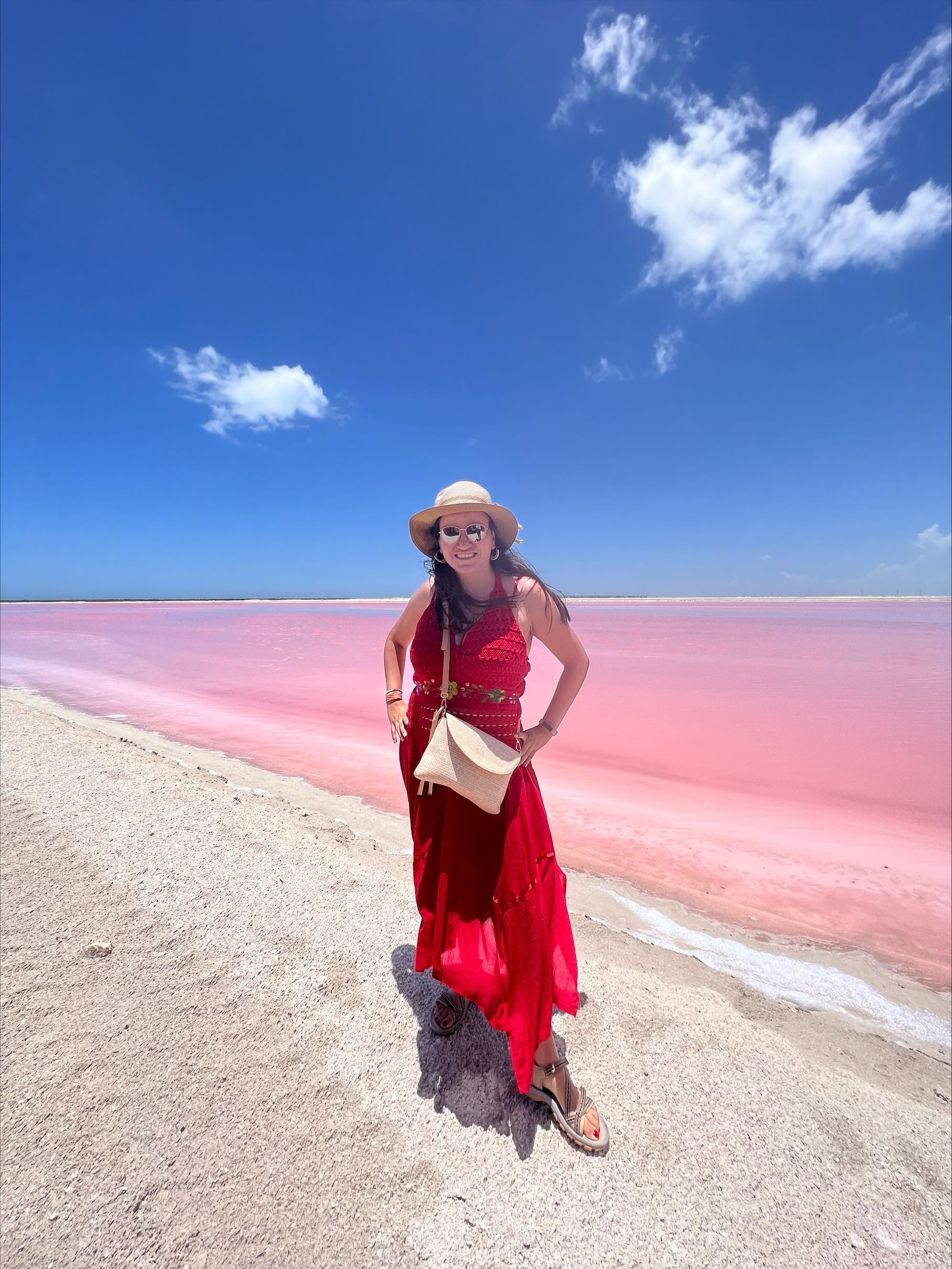
As I reflect on this, I’m reminded of how resourceful and sustainable the Mayans were, even without the technologies we rely on today. It’s fascinating to think that lessons from ancient cultures could help us solve modern challenges in water management and sustainability.
Why This Matters Today
While the Mayans used this method for salt production, modern science is now exploring how we can extract even more valuable by-products, like enzymes for the food and pharmaceutical industries.
As a professional deeply involved in water management and environmental innovation, this visit reinforced my belief in the power of sustainable practices. Whether it’s preserving water resources in aviation or scaling biotech solutions in Saudi Arabia, my journey always circles back to a simple yet profound message: we have much to learn from our ancestors.
Viva Mexico! Let’s honor our heritage by embracing sustainability and innovation—two principles that guided the ancient Mayans and can lead us to a better future today.
Let’s stay connected and continue to share the wisdom of the past to shape a sustainable future!
-------
Thanks for reading Aziul Connections!
Let’s continue building sustainable bridges together. If you enjoyed this post, feel free to share it and invite others to join our community.
Stay tuned for more insights on science, sustainability, and entrepreneurship.
See you in the next edition!
Best,
Dr. Luisa Javier
Aziul Connections